
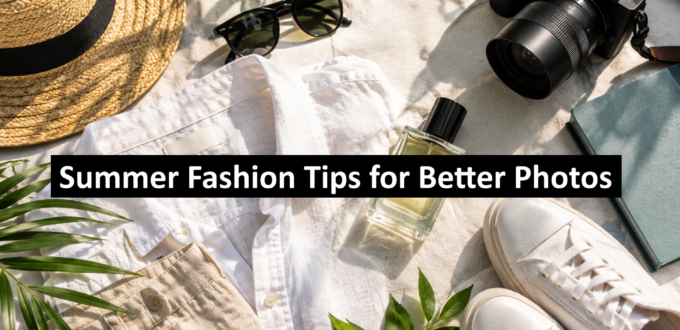
Whether behind or in front of the camera, a few quick considerations when choosing an outfit can go a long way when it comes to getting photographs that hold up under the conditions of a long shoot in the harshest sunlight. For those looking to develop their photography practice over the coming months, there is one detail that deserves attention beyond equipment and location.
Why Fabric Choice Shows Up on Camera
How the fabric looks in direct sunlight versus indoor or cloudy conditions. Heavy fabrics or anything with a texture can be problematic as it casts shadows or adds bulk while lighter fabrics like cotton and linen tend to look better in images.
- Linen and cotton move with the subject, allowing for more natural poses
- thin knit fabrics reflect less harsh light than shinny or synthetic fabrics
- more breathable fabrics will keep a subject cool in hot weather.
Comfort is a major consideration for many subjects, who will quickly find their expressions stiffening when they begin to feel hot, and this factor alone can make a noticeable difference on the final photos.
Read: How AI and Camera Innovation Are Reshaping the Global Photo Market
Color Choices That Work With Summer Light
As mentioned previously heavy colors can be harder to work with in photographs, pure white tends to reflect too much light and be overexposed, but soft pastels and earthy tones help keep the subject balanced in an image.
Darker colors aren’t as problematic as far as light goes, but should be avoided in midday shoots where light tends to be its flattest. Picking out colors based on the time of day is a good idea as an overall look, and photographers that do this tend to see a noticeable improvement in their images. A good way to start is by planning based on the light first before choosing anything else.
Patterns and Textures Under Bright Light
Small patterns tend to photograph oddly, because of the way light interacts with the spaces between the pattern elements. This effect, known as moire, tends to show up more in digital media than the human eye would perceive it.
- Solid colors and larger patterns tend to hold up better under bright summer light.
- Similarly, texture can add interest to a subject while remaining non-distracting.
A photographer with an active lifestyle may find that particular patterns and weaves appear more frequently in their short list of clothing options, as a result of the absence of harsh shadows they seem to possess.
Accessories That Add Without Distracting
Like patterns, accessories tend to interact with light in odd ways. On top of this, accessories tend to interact with the camera itself.
A few quick considerations before a shoot can prevent an unexpected amount of shine:
- reflective sunglasses can hide the eyes
- wide brim hats can cast unflattering shadows,
- Simple jewelry tends to photograph better than layered or busy jewelry.
Of course, these are minor considerations for minor improvements. The same could be said for anything that interacts with light, including larger accessories like bags or even hats. These considerations tend to come into play most when the subject is most concerned with what they are wearing, such as in a large commercial photoshoot. A few test shots before the full session begins can be enough to rule out any unpleasing effect an accessory might have on the final product.
Footwear and Full-Body Shots
When photographing a subject in full body or in an outdoor lifestyle setting, shoes become an important consideration, since they will often appear in the final product. Lighter shoes tend to photograph better in hotter weather, and open backed sandals or canvas shoes tend to fit the casual aesthetic of a summer photoshoot better than closed lace up shoes would. Most photographers will advise against heavier shoes in certain conditions, but a few will go so far as to mention it before a shoot begins, rather than waiting for the final product to notice it.
Grooming Details That Affect Long Shoot Days
Grooming choices tend to be overlooked, but have a large effect on a photoshoot, particularly in summer conditions. Because of increased length and outdoor conditions, hair and skin tend to act differently than they would in other conditions.
A few considerations for both photographers and their subjects to keep in mind:
- Sunscreen can cause an unnecessary shine in photographs, especially under direct light, so extra product should be blotted away before beginning a photoshoot
- Hair moves more in warmer weather, so style choice become more important, and less secure styles can cause a strain on the subject trying to maintain it,
- A strong perfume can be distracting to a subject after several hours of a photoshoot, particularly in hot weather, where heavier perfumes are less common.
All three of these considerations tend to come into play when working with clients, and can be avoided in many cases with proper consideration before a photoshoot.
Final Thoughts
While none of these details are particularly technical, they tend to be the difference between a well planned photoshoot and one that requires many unplanned reshots once the session rolls around. For both photographers and their subjects, these considerations can save time and energy in the long run. In many cases, they can even make a difference between an enjoyable experience and one that leaves everyone involved wishing to leave as soon as possible.
In a similar vein, most photographers in hot weather conditions will consider lighter summer fragrances for their clients, as the stronger varieties tend to be associated with cooler weather and can be overpowering in hot weather. It’s a small consideration beforehand that can make a large difference in comfort over an extended outdoor photoshoot.